Day 14: Paranoia in Paradise

Sleep was difficult last night. Following the French governments’ ban on all non-essential shops opening from today, the fear has finally kicked in.

For the first time since this outbreak began I’m now scared. Not because I’m worried about contracting the virus, but because the contagion of fear that’s sweeping the globe could well leave me stranded in a foreign country.

Instead of relaxing last night I brought my flight home forward by three days.

After the broken nights sleep I packed up and made my way by train to Nice. It was quiet, my section of the carriage was at most 20% occupied. No one is travelling anymore.

Unable to check in to my hostel until 3pm, I stored my bags in the locker room and went for a walk around town and to search for some food.

The only shops that were open were the bakeries. Everything else was shuttered, lights off, doors locked. So lunch and dinner was a tuna baguette. No fine dining today.

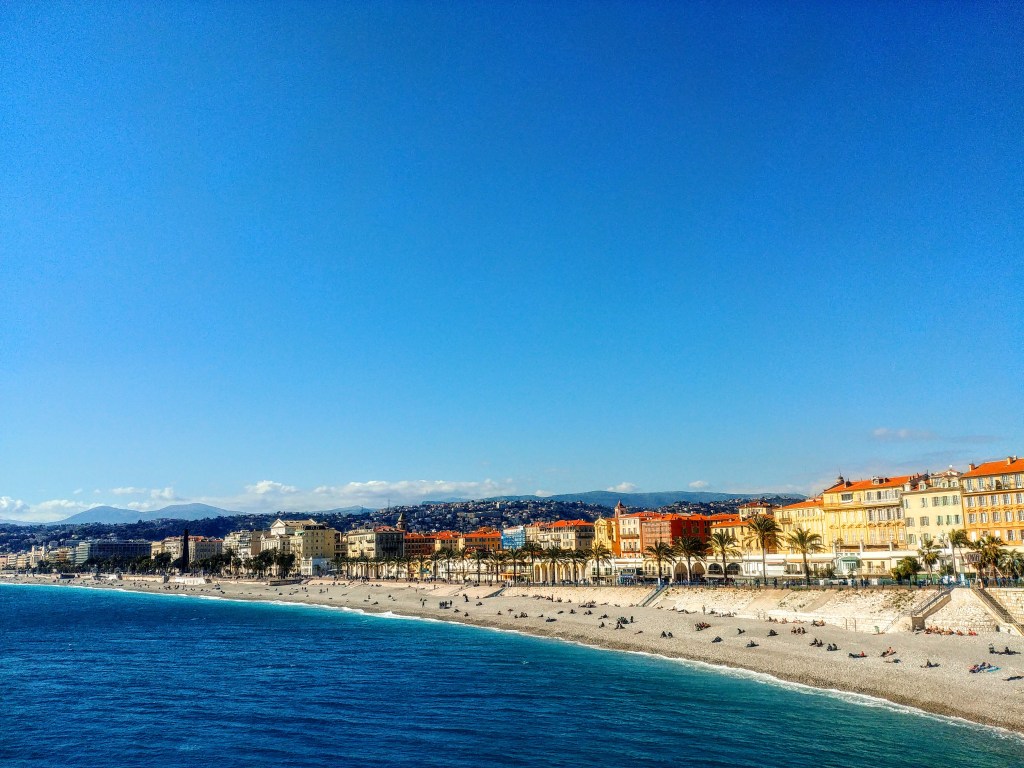
The promenade and beach were full of locals and tourists. With no shops, cafes, restaurants or museums open, all anyone could do was either sit on the beach or go for a walk.

Nice, like the rest of France, has become a ghost town but with all the people still here. Honestly it’s one of the most bizarre situations I’ve ever been in.

Despite the amazing views and weather, I found it difficult to fully relax. For the first time I was consiously ensuring I stayed as far away from other people as possible and where that wasn’t an option, I irrationally began to hold my breath as I passed others by.

Why I’ve started behaving like this I dont know. I’m not scared of the virus, but the pandemic of fear has infected me all the same. I’m paranoid that any moment now the airports or borders will be shut down. This is no way to live.

Sorry I’ve had to write such a miserable blog but there was no joy today despite the smiling selfies. When this all blows over I need to come back to Nice, to experience it how it should be experienced. With excitement and a sense of adventure.

For now though I’m just counting down the hours until I’m back on British soil, back home.

This isn’t how I wanted to end my trip, but life doesn’t always go to plan. I still have my health though and two weeks of wonderful memories and for that I’m eternally thankful.
Day 13: There’s No Mountain High Enough

Today has been a great day. Awaking relaxed and refreshed I left the hotel with a spring in my step.

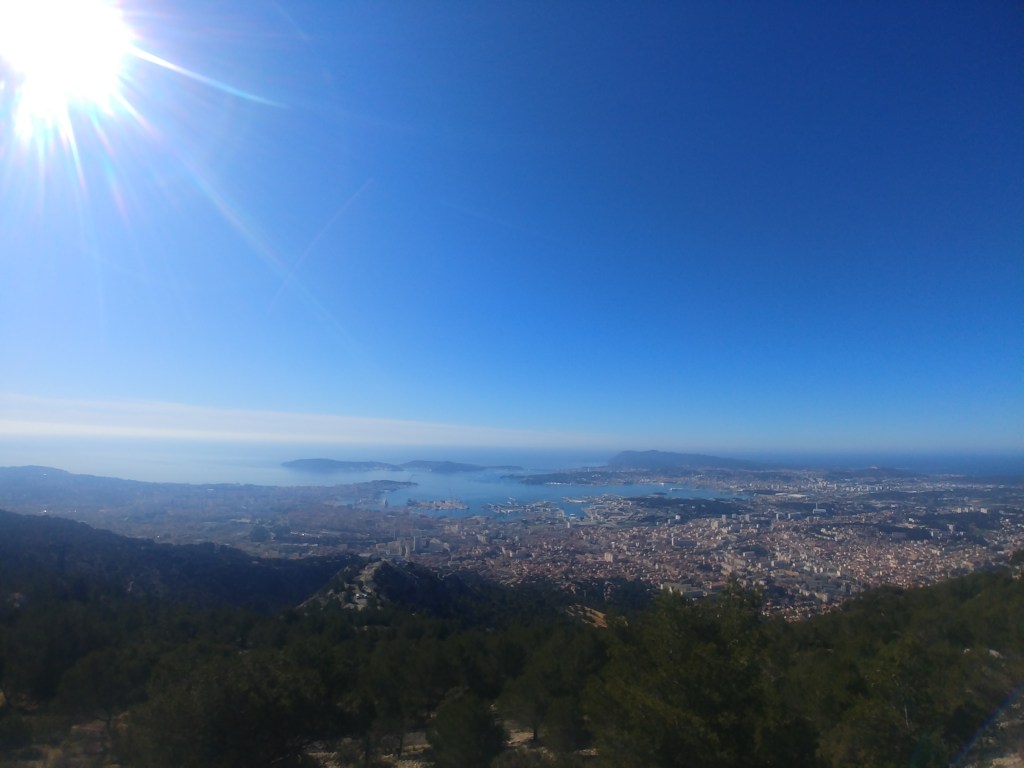
My destination lay uphill and boy was it a steep hill. The walk to the cable car that would transport me to the summit of Mont Faron, which sandwiches Toulon between it and the sea, left me feeling like an asthmatic in the middle of pollen season.

After taking a few minutes to catch my breath from the steep incline I made my way to the cable car.

It only takes 6 minutes for the journey to the top but it was a fun ride. The higher I went the more of Toulon and its surroundings I could see. The panoramic views of the city, the mountains and the sea wouldnt have looked out of place in the Caribbean.

At the top I strolled over to the first attraction. A military fort that since the 50s has been the memorial museum for Operation Dragoon.

We’ve all heard of Operation Overlord, the codename for the D-Day landings in Normandy. There was however a second “D-Day” on August 15th 1944. Almost a quarter of a million Allied and French troops invaded a 70km stretch of coast between Toulon and Nice from North Africa and Italy.

This operation hastened the collapse of the Nazi’s in France and is perhaps one of the unsung major victories of the war. I myself was unaware until today of this invasion of Southern France.

The memorial museum itself has been recently rennovated and the story of the operation and of life under the Vichy regime was told in an emotional and expertly curated exhibition.

After a good couple of hours soaking up the information in the memorial museum I made my way across ghe mountain top, stopping breifly at some remains of other military fortifications and a simple church dug into the rock of the mountain.

At the end of the path lay a zoo dedicated mostly to big cats. A small zoo, which to my mind was in desperate need of a renovation, it was nonetheless an insteresting attraction.

Lions, tigers, lynx of several species, panthers, jaguars and others all lounged lazily in the afternoon sun whilst the racoons, ringtailed lemurs and even the donkey moped about in the search for remnants of their lunches.

Most interesting to me was the troop of Hamadryas Baboons. I spent quite a long time watching as they groomed each other’s fur, rumaged through the hay on the floor, and otherwise interacted with each other.

Close to feeding time they all started doing rings around the enclosure. Then when food did arrive everything turned to chaos. They were running everywhere trying to feel as much food as possible. Fights broke out whilst others chucked the food they didnt like aside in exchange for better pickings.

It was utterly fascinating and weird watching them. Before I knew it id spent half an hour or more observing their behaviours. By the end I felt like David Attenborough.

I took my time returning to the cable car. The forested summit ofnthe mountain provided the perfect envrionment for a stroll and the occasional glimpses of Toulon and the sea through the trees were stunning.

The wait for the cable car back down the slope was a long one. Usually each trio can hold 18 people but due to coronavirus, the staff had implemented a limit of 5 per trip. However, given that you could not stand a metre away from the other passengers I thought that this measure was a bit of a waste of time.

Band on stable ground I returned to the town centre to eat. My brief time in Toulon is coming to an end. Tomorrow I move on to my final destination, Nice.

Day 12: Time to Relax and Recharge

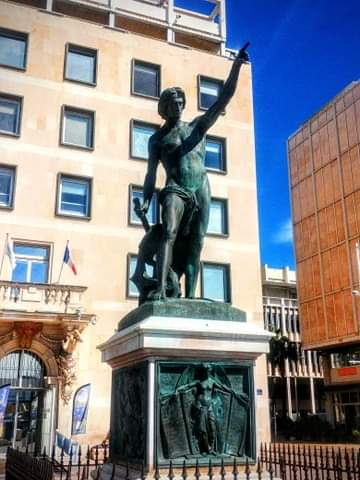
The Genius of Navigation statue, Toulon

Today was a slow day and not in a bad way. I woke up later than usual before making my way to the train to Toulon.

An hour later I arrived and made the very short walk to the hotel (there are no proper hostels in Toulon). Although check in wasnt officially until 2pm, I managed to get into my room almost straight away.

Not in any rush I took my time settling into my room. For the first time on this holiday I have a one all to myself. No room mates in site, just me. Hallelujah!

I then went to explore town. Weirdly the hotel makes you give your key back everytime you leave the building. Odd to say the least but then again I am in France so I shouldn’t be too surprised about the occasional oddity.

Toulon is home to the French navy and is the base of their aircraft carrier the Charles de Gaulle which was sitting proudly out in the harbour beneath the sun.

Along with the naval base was a museum about the French navy which I was looking forward to visiting. However upon arrival I discovered it was closed until May for renovation.

Never mind, I continued to walk along the harbour before stopping to get some lunch and watch the world go by on the harbour side.

Before long I was baking in the heat so began walking through the old town, trying to stick to the shade cast by the buildings as I went.

I came across the second museum I wanted to visit, Toulon’s art museum. Fate however, denied me this museum too, which is also closed for renovation.

Out of luck I continued to explore the streets. Despite the lack of open museums Toulon has a provincial charm about it and the views of the harbour were impressive.

Starting to wilt under the heat I gathered some supplies, namely my daily dose of coke zero and returned to my room to relax out of the heat.

Even on holiday I’m obsessed with the news and so spent a couple of hours catching up on all the latest coronavirus developments. Not going to lie, I’m now glad I’m returning to the UK early, since Italy went into total lockdown. I’m increasingly anxious that the situation in France will deteriorate in the next 6 days, potentially leaving me stranded here.

Despite the worry I’m still determined to enjoy my last few days here. On thursday I fly home. Until then, I have a holiday to make the most of.

Day 11: The Count of Monte Cristo

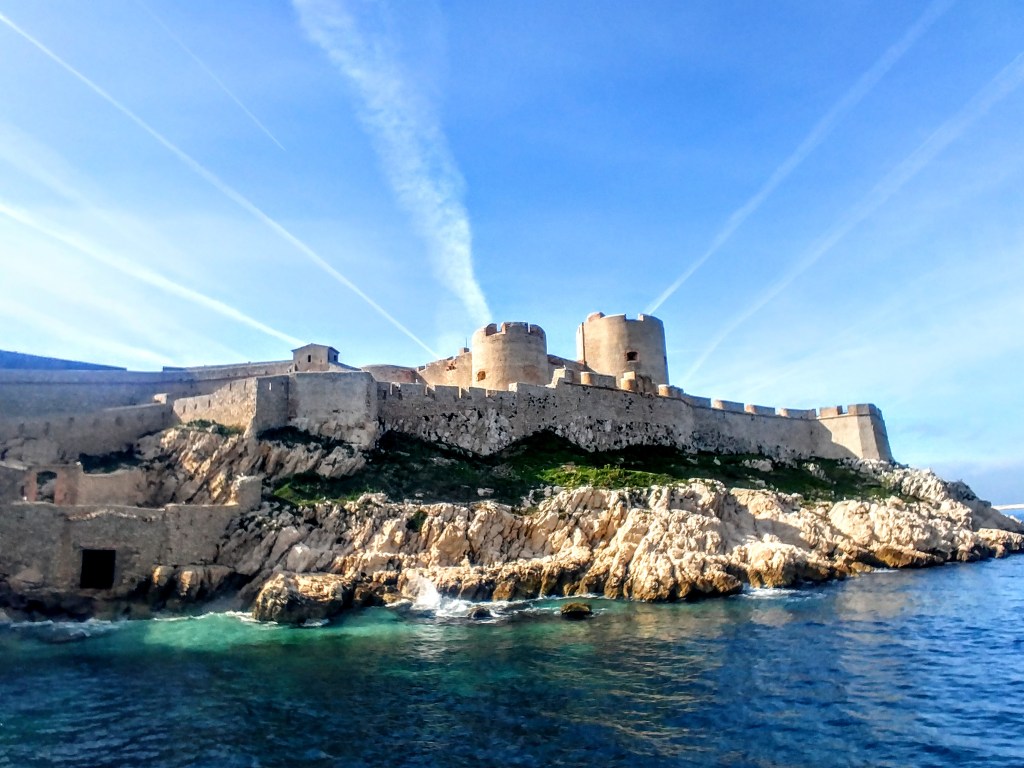
Chateaux d’If

This morning I treated myself to a lie in, if you can call getting up at 8am a lie in. But in this life where I’ve rapidly adjusted to waking up at 7 or 7:30, that half hour extra is a luxury.

Ready for the day ahead I strolled down the hill to the harbour front where I bought my ticket for the ferry to Chateaux d’If.

Marseille has a few islands just off the coast. For centuries they have been home to a series of fortifications, protecting the city from enemy attack.

Chateaux D’If is on the smallest of the islands yet it is no less impressive. The ferry ride out took just 15 minutes and the views of the islands and Marseille in the morning sun were glorious, with shades of blue on all sides.

Chateaux D’If was built in 1529 as a fort but like many places ive been too over the past 11 days, it also served as a prison.

It’s hard to imagine this little fort of white stone amidst a sea of blue and turqouise as a prison, so peaceful and welcoming does it look. Yet over the generations t was home to many inmates. None escaped…except one.

That one escapee was the fictional hero of Alexander Dumas’ The Count Of Monte Cristo.

Even during his lifetime, Dumas’ novel had become so famous that when he anonamously visitid D’If, the guards were passing off the story of his fictional character word for word as fact…at least that’s what my guide leaflet says.

No wonder he chose this setting for his novel however. Like Alcatraz, there is no escaping this island fortress, with its single entrance. Yet for all the suffering of its past it sits in the middle of an area of unbelievable natural beauty.

Riding the boat back to the mainland, the wind in my face, I continued to soak up the scenery.

Back on dry land I wandered up around Fort St. Joan, another of the many defences that Marseille possesses.

Then I went back a bit further in time. The bombing of WWII has uncovered some of Marseilles 2600 years of history, including one of the only remaining Roman commercial warehouses left in existence.

The tiny museum in which it is housed almost lets down the impressive site of rows of the remants of enormous storage jars, each one, had they been whole would be taller than a man, bound within the vestiges of the walls of the warehouse.

Following my trip through time it was time to enjoy some seafood. A dish of fresh mussels, and fresh, fried octopus, squid, prawns and sardines with chips was amazing. Never pass up the opportunity to have seasfood in a town that catches fish for a living!

Day 10: The Dream after the Nightmare

Marseille

Today began horribly. Knowing I had a train to catch at 9:20 am I set my alarm for 7 to give me enough time to shower, pack and get to the station.

Yet karma, not content with having me cancel the Italian leg of my trip, decided to curse me once more.

At some point during the night my phone froze. My alarm didnt go off. I woke up late and rushed to the bus stop unable to get my phone to respond.

Panicking that i’d have to spend the next 8 days without my translater, map, camera, communication with friends and family, I managed to get to the train station in time.

Thankfully with the issue of making my train sorted I could bow focus on the other problem at hand. After what seemed like an age I figured out a way to get my phone to work. Everyone at the train station must have heard my sigh of relief.

Things were now back on track. I arrived in Marseille and proceeded straight to the hostel. The journey involved a brief walk along the old harbour where some fisherman were selling the last of that morning’s catch.

Arriving at the hostel I was unable to check in until 2pm so I filled the time doing my laundry and catching up on the days news.

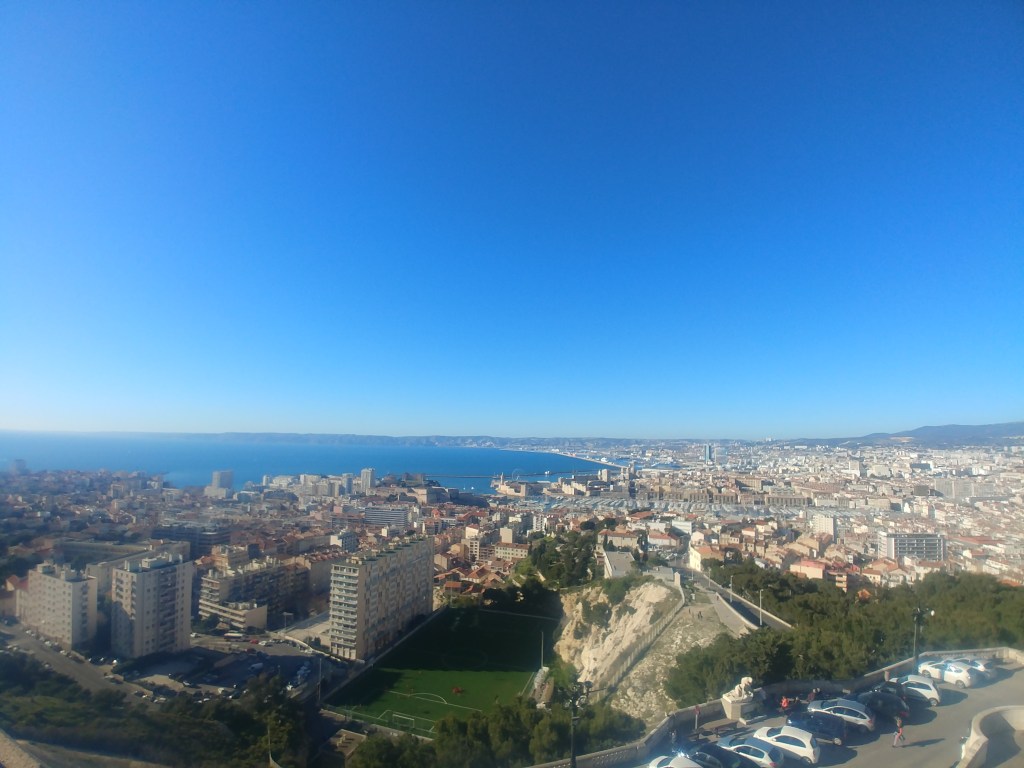
Once settled in to my room I went out to explore. I walked down the eastern side of the harbour towards Fort St. Nicholas before making my way up a very, very, very big hill to the Basillica Notre Dame de la Garde.

In twenty degree heat the walk was almost unbearable and involved many stops to catch my breath. Yet the journey was worth it. At the top I was greeted to panoramic views of the city. The church itself was outstanding, the ceilings were decorated in paint and gold leaf. With sunlight streaming through the Windows, everything glittered in the golden light.

Returning to the waterfront, I spent well over an hour walking slowly around the harbour, sitting occassionaly to stop and take in the views. After this morning’s nightmare, I was in a dream.

Dinner was good old fish and chips in the Queen Vic, an English style pub and restaurant on the water front. Filled with a bit of England in the heart of the Mediterannean, I went back to the hostel content with life.

Day 9: A Roman Orange

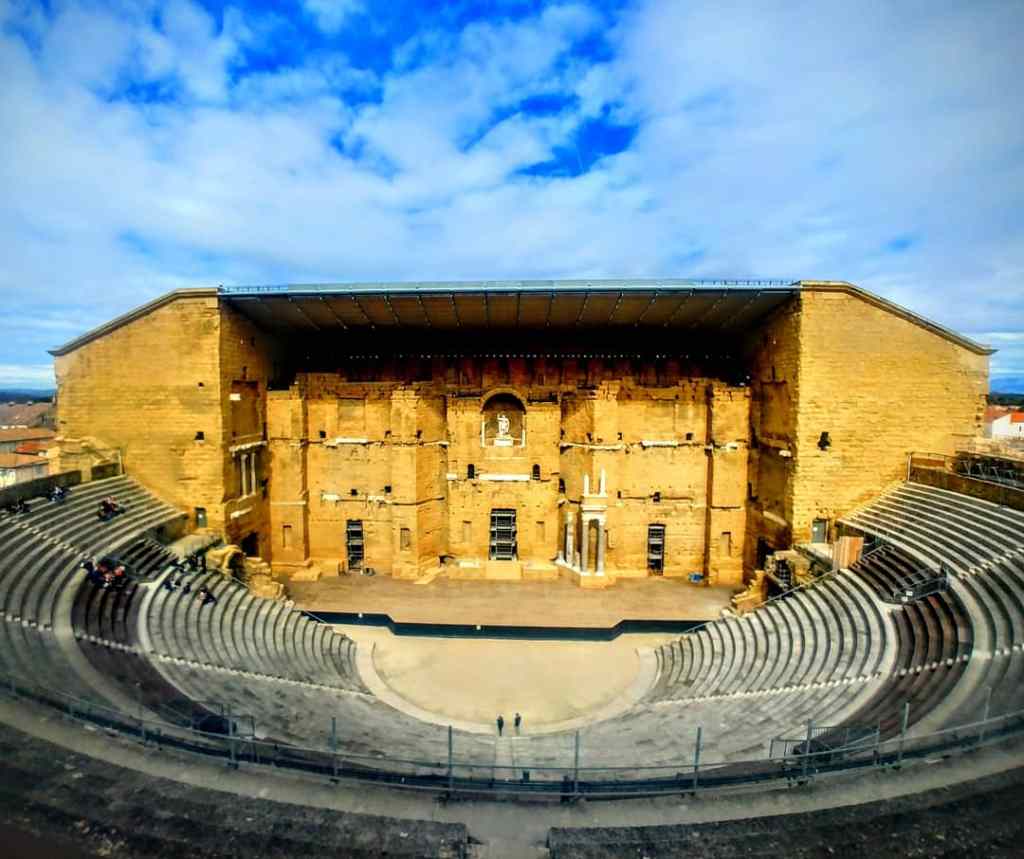
Theatre of Orange

Another day another UNESCO world heritage site. This time it’s in Orange. No not the fruit, the town.

Once it was the principality of Orange, ruled by the Orange-Nasseu family that gave us William II of England and the family that still rule the Netherlands today.

Centuries before that though it was a Roman colony. In the reign of Augustus a huge theatre was built large enough for the entire population of the town to see a performance at once.

Arriving at the theatre I was greeted with a sheer brick facade over 100m long. The real gem though lay inside.

Roman theatres were built with a large stone backdrop decorated with marble columns and statues. Most of these have been lost over the centuries but the theatre at Orange has been remarkably well preserved despite being burned by invaders and used as a village in medieval times.

Walking into the theatre was breathtaking. The sun shone on the 37m high backdrop, making the white marble statue of Augustus in the centre gleam.

Walking along the rows of seats gave a sense of just how big this place was and just how good it would have been to have experienced a Roman performance in its heyday.

Sitting on one of the rows of seats I appreciated just how good the Romans were at building. What do we build today that we can say will be here 2000 years later?

Back in Avignon I took an afternoon stroll around the city walls and through the main square one last time. Avignon and the surrounding area has been absolutely amazing. One day I will come back.

For now though my Avignon adventure is over. Tomorrow, I head to the coast. To Marseilles.

Day 8: Arles, Allons-y!

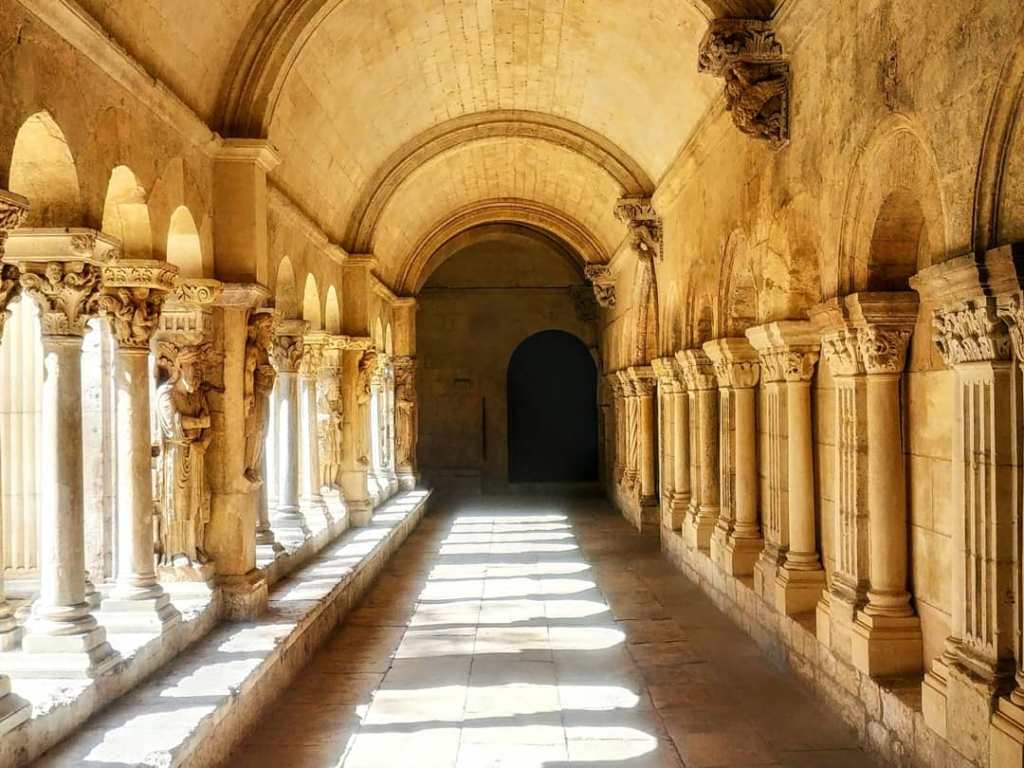
Cloisters of Saint Trophime

This little corner of France is packed with UNESCO world heritage sites. After Avignon and Pont du Gare, Arles makes the third.

No more than a twenty minute train ride from Avignon, Arles was founded by Julius Caesar. Augustus, first Emperor of Rome then began building many of the monuments that remain today.

Upon arrival I made my way straight to the main attraction (at least the one that I knew existed), the amphitheater.

Standing at the heart of Arles, it is the 20th largest arena in the Roman world. By the middle ages the townsfolk dismantled the seating and used the interior as an inhabited fortified district of the town. Eventually the houses were demolished and restoration began on the amphitheater in the 19th century.

Today, whilst missing a few limbs, it stands proud over the town. Between the modern seating feral cats wondered around or slept in the shade. The tourists? Few and far between in this town.

Next to the amphitheater stands the theatre. Where in the former, gladiators and chariots would fight to the death, in the theatre the arts took precedent.

Once standing as tall as it’s neighbour, it has been almost entirely demolished by medieval citizens for building materials. Now, all thats left is the lower ranks of seats, some remaining exterior arches, and bits of carved stone piled around the sides of the site. It is a sad affair to look upon what must have been the Royal Albert Hall of its day. Sadly time has swept it away.

The third site is not Roman but was built from the 12th century to the 14th. The facade of the Church of Saint-Tristome, somehow unscathed by over 800 years of wear and tear is a breathtaking achievement of 12th century stone carving. Likewise it’s cloister, built half in the romanesque style and half in gothic, puts detail front and centre. There’s no other way to describe it than beautiful.

Next up beneath the city is the vast remains of the Cryptoportiques. These are the foundations, built as two tunnels connected by arches, that held up the Porticos of the Roman forum above.

Almost perfectly preserved these tunnels are long, giving you a sense of just how large the forum above used to be. Well worth the descent underground.

No time to stop there I made my way to the Roman baths. Once covering a land area of 3700 square metres, only 1100 square metres remains. Like the amphitheater, the people of arles cannibalised and built home into and within the Roman structure. As such much of the original building has been lost over the centuries. What remains today though is still an impressive site covering two of the former bathing rooms. Most impressive was the restored wall and half dome on one side of the building, towering above the floor. Of course a written description is poor substitute for the real thing so definitely put Arles on your bucket list!

The final part of the UNESCO site was Alychamp. Once a sprawling Roman and medieval necropolis now all that remains is one avenue of empty tombs terminated by the medieval St Honorat’s Church. Painted by Van Gogh this remant of cemetary was a pleasant walk. Once again the ravages of time (and people) have reduced it from its former glory. Nontheless like all historic sites, their value is no less, simply because they are physically diminished.

I capped off my trip to arles by a muse through the antiquities Museum which features a 2000 year old Roman river barge and some enormous Roman floor mosaics. The museum building may have been horribly modern for my taste but the contents were anything but.

So ends another epic day in my travels.

Day 7: The Flow of Time

Pont Du Gard

Today I got up early to go and see one of the wonders of the Roman world.

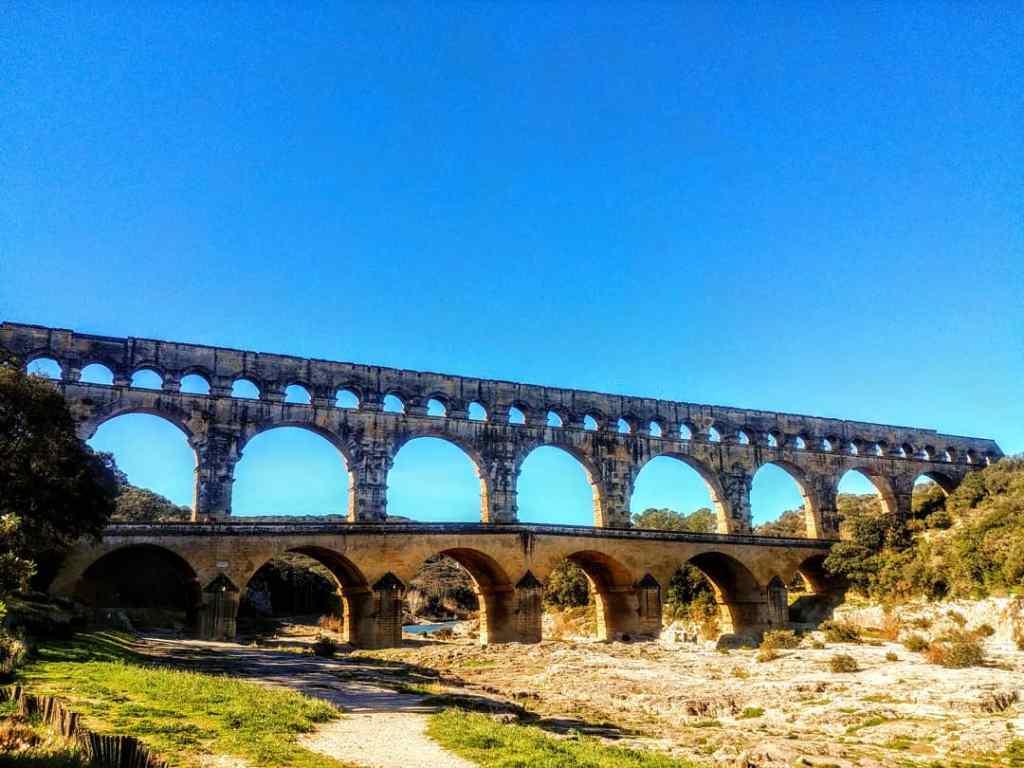
To the west of Avignon lies Pont Du Gard. It was built as part of the aqueduct system that carried water some 50km to the city of Nimes.

At 52metres high it is the tallest aqueduct bridge in the Roman world. For five centuries it supplied water to the city allowing it to flourish.

Getting to the aqueduct involved catching an infrequent bus from Avignon bus station.

Once there I looked around the newly built museum that explained the role of water in Roman cities and how the aqueduct came to be built. At its peak, Pont Du Gard helped carry 35,000 cubic metres of water a day to Nimes, allowing it’s citizens to use it with almost wild abandon.

Walking up to the monument itself and it’s easy to see why it’s a UNESCO World heritage site. The bridge is almost totally preserved and towers above the tourists below.

Being in the sunny south of France the views were made so much better by the good weather. I spent a good while exploring the around the site.

I then had lunch in the on site cafe when I saw that Italy had proceeded to quarentine a quarter of its population. And that was it. With one move the Italian government had succeeded in cutting my travels in two. I’m gutted but what will be will be. I’ll be going home in around two weeks rather than closer to 7. I just hope containing the virus will be worth putting 16 million people into quarentine and snuffing out Northern Italy’s tourist industry.

Moving on from the news I returned to Avignon and toured a couple of interesting little art museums before having dinner and retiring for the night.

It’s been a day of good and bad. Here’s hoping I’ll have more good in the days to come.

Day 6: Medieval Masterpiece

Path in the gardens of Fort St. Andre

Waking up today was different. I felt more relaxed. I guess in part that was due to the fact only two other people were sharing the 6-bed dorm with me. The weather was better too. In Paris it was usually cloudy and occasionally raining. Here the wasn’t a cloud to be seen all day.

First port of call today was the tourism office to get some info for tomorrow. Once that was sorted I headed to the Papal Palace for the full tour.

The Palace, home to the 7 Popes of the Avignon Papacy of 1305-1377 and then the two Antipopes of the Western Schism until 1403. From then until the Revolution, the palace continued to be used by officials of the Papacy.

The Palace is one of the greatest buildings I have ever walked through. Some of the rooms are simply vast…believe me when I say this medieval building is huge. Despite sieges, fires and ransacking four of the rooms in the palace still retain their original painted wooden ceilings and in other rooms,the wall paintings look almost as if they were painted yesterday. That such craftsmanship has survived seven centuries is a wonder.

Afterwards, I took a walk through the Cathedral Notre Dame des Doms which sits next to the palace on the Crest of the hill in the centre of Avignon. Small but nonetheless a worthwhile church to have a nose around.

Next to the cathedral is a park which had outstanding panoramic views across the Rhone valley. Below this, on the north side of the palace square, the Petits Palais, also built by the popes, houses a neat little collection of 15th and 16th century religious art.

I completed my tour of the Avignon UNESCO world heritage site by walking on top of the Pont d’Avignon. This bridge took a century to build and once spanned nearly a thousand metres across the Rhone with twenty two arches. Over the centuries though floods and the changing course of the river has swept away all but four on the Avignon side.

Here I must say something about the wind. If the wind hadn’t been present, the weather would have been spot on. But like a cloudless hurricane boy did that wind blow. I’ve lost count the number of times I’ve nearly been forced into the road or the river by that bloody wind. I gather it’s usually like that too so if you’re ever visiting Avignon, don’t bring an umbrella, you’ll find yourself flying in a matter of seconds if you do!

Braving the tornado force winds, I crossed the Rhone and made my way to Avignons companion hill on the opposite bank. Here is located Fort St. Andre. A monastery from the 10th century untill the revolution, it was fortified by the French kings with an enormous wall around the same time as the Popes arrived in Avignon. This served a purpose because, for a time the Rhone was the border between France on one side and the papal property of Avignon and the Holy Roman Empire on the other. Only once the Avignon Papacy ended did Avignon unify with France.

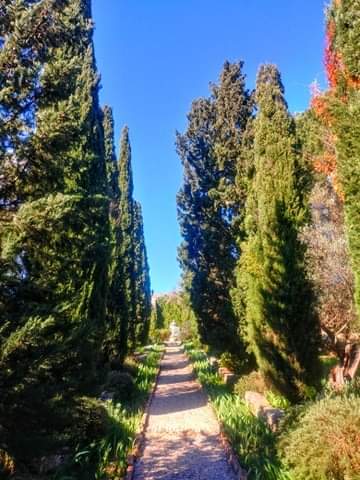
History aside, the monastery’s gardens have been tenderly restored. Taking a stroll around them, getting glimpses of the papal palace across the water and mountains on all sides, all whilst walking through paths of tall Cyprus trees between olive groves….well if that wind hadn’t been howling through the branches it would have been paradise.

I completed the day by eating alone in an actual restaurant. I felt a but weird but in the end I was too hungry to care and so I tucked into my Sicilian style pizza. It was so nice I think I’ll go back tomorrow to see what else they have on the menu!

Day 5: Arrival in Avignon

The Papal Palace bathed in sunlight

It was a sedate start to the day. With check out not until 11 and my train not due to depart until 12:37, I gave myself an extra hour in bed before slowly making my way down to breakfast.

Even so, me being me, I arrived at Gare de Lyon 2 hours early (should have gave myself an extra two hours in bed!).

The train to Avignon was uneventful if a little bit of a novelty. Not just was I on a high speed train but a double decker one to boot. Boris Johnson, if you want to increase train capacity, then forget about HS2, just stick an extra deck on the West Coast Main Line trains!

Upon arrival in Avignon I managed to find a bus that went in the right direction. It stopped just inside the old city walls, which are mostly intact.

As I checked into my hostel I queried about the impact of coronavirus on business. The young employee responded that despite the outbreak not yet having reached this small city, the number of cancellations of bookings for March had been a lot.

After finding my bed I had to make some emergency repairs to my rucksack. A faithful companion of many years it has unfaithfully chosen now to try and quit on me. Alas my work has hopefully managed to raise its pension age by at least a few more months.

I then decided to go for a walk around town. The difference to Paris was immediately noticeable. In the capital everything felt rushed, on high alert from threats of all descriptions. Avignon though reminds me of Lancaster. A small city, sedate, and charming. Here everything feels warmer and not just because I’m now in the south.

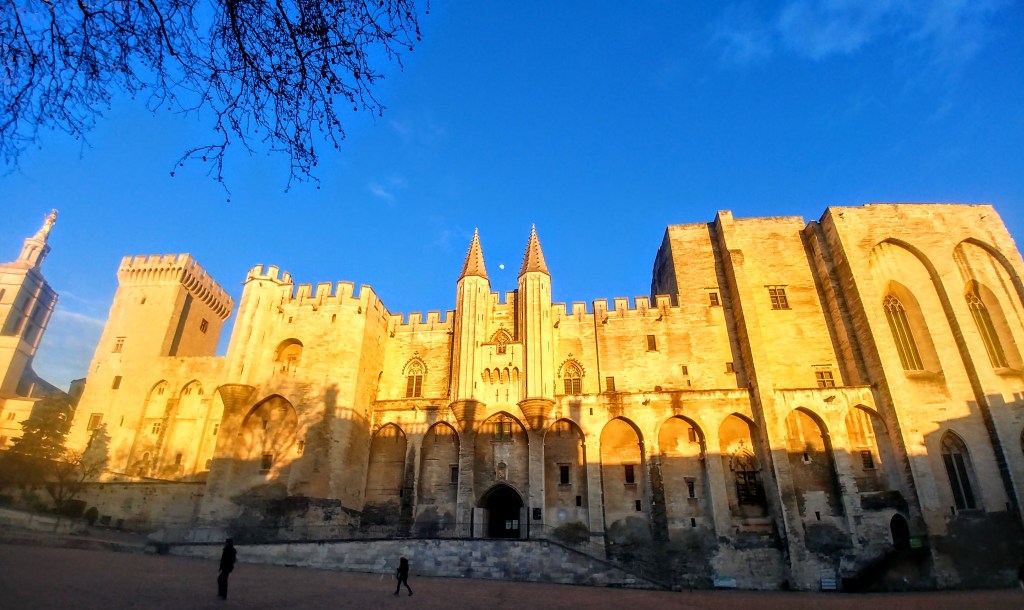
Upon returning to the main square after a gander to Avignons famous medieval bridge, the Sun dipped below a cloud and bathed the ancient Papal Palace in golden light. For the first time since coming to France, I stopped and sat down to properly take in the moment. The sky was the perfect shade of blue, the sunlight gave the white stone a perfect shade of yellow, and the rest of the square, though in shadow, took on a pinkish glow from the reflecting light off of the palace walls. The moon, an intense white, ascended above it all. For those five minutes everything was right with the world.

Then the Sun sank behind a cloud and the magic faded. I moved on to get some food before retiring back to the hostel.

Design a site like this with WordPress.com
Get started